
Introduction
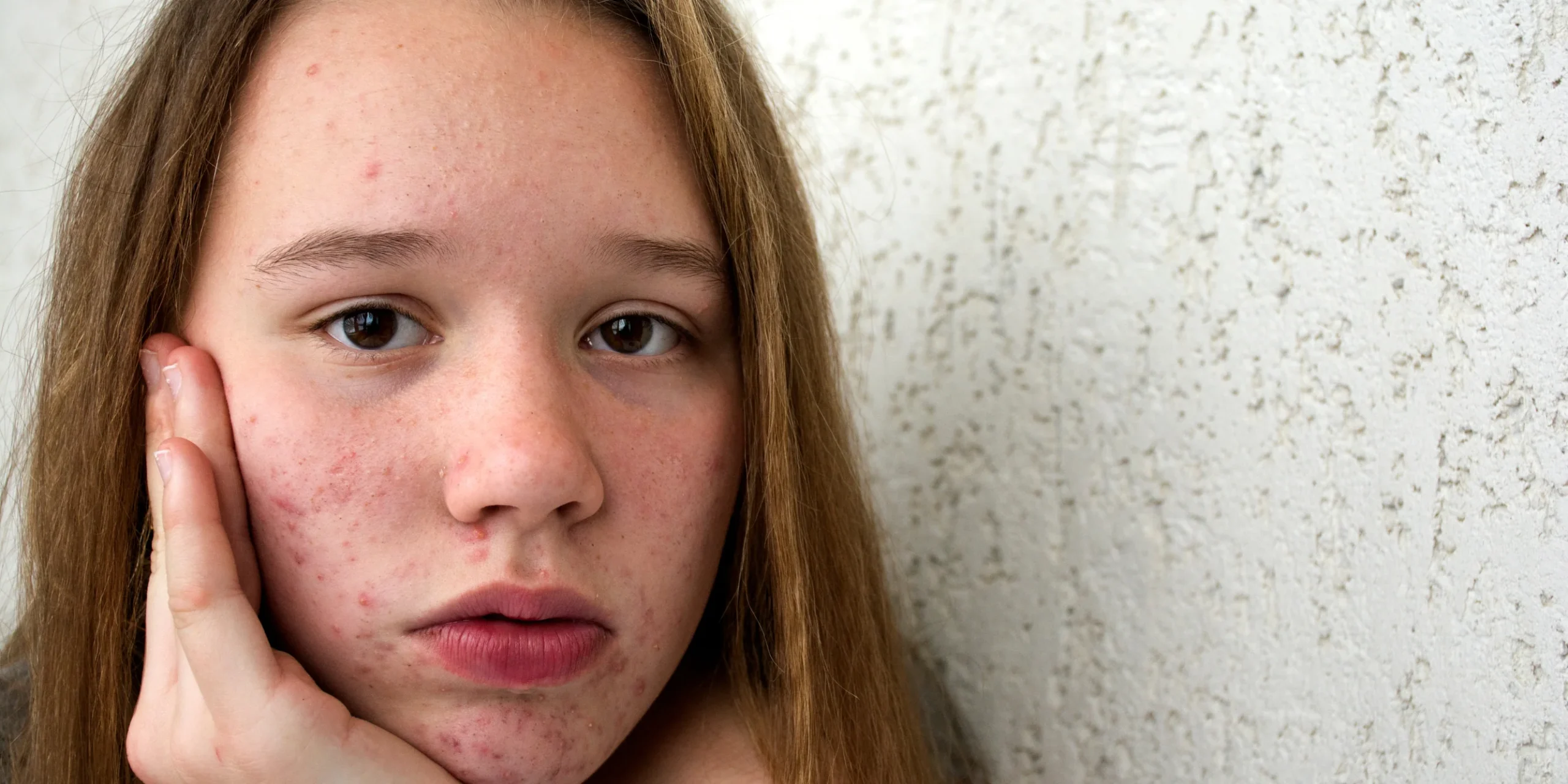
Acne is a normal part of growing up. Nearly every teenager experiences breakouts at some point. Blackheads, whiteheads, and red pimples appear without warning. Sometimes, they show up right before a big event or school picture day.
The good news is that acne is treatable. The bad news is that misinformation spreads quickly. Some popular remedies can actually make your skin worse. Others are completely useless. A few are genuinely dangerous.
This guide will help you separate fact from fiction. You will learn what actually works for teen acne. You will discover which outdated methods to abandon. Most importantly, you will find out which popular trends can harm your skin.
Let us begin.
Part 1: What Actually Works for Teen Acne
Dermatologists agree on several core principles. These treatments have solid scientific backing. They are safe, effective, and suitable for most teenagers.
Gentle Cleansing Twice Daily
Washing your face is essential. However, how you wash matters more than you think.
Use a gentle, non-stripping cleanser. Look for terms like “non-comedogenic” on the label. This means the product will not clog your pores. Avoid harsh soaps that leave your skin feeling tight or squeaky clean. That tight feeling means you have damaged your skin barrier.
Wash your face in the morning and again before bed. Never scrub aggressively. Use lukewarm water and your fingertips. A soft cloth is fine, but avoid rough washcloths or scrubbing brushes.
Salicylic Acid for Unclogging Pores
Salicylic acid is a beta hydroxy acid (BHA). It is oil-soluble, meaning it penetrates deep into your pores. Once inside, it dissolves the debris that causes blackheads and whiteheads.
Look for cleansers or leave-on treatments with 0.5% to 2% salicylic acid. Start with once daily. If your skin tolerates it well, you can increase to twice daily. Many affordable options are available at your local pharmacy.
Benzoyl Peroxide for Acne-Causing Bacteria
Benzoyl peroxide kills the bacteria that cause inflammatory acne. It also helps unclog pores and reduce excess oil production.
Start with a low concentration. Two and a half percent to five percent works just as well as higher concentrations. Stronger products only cause more irritation. Apply a thin layer to affected areas.
Be careful, though. Benzoyl peroxide can bleach towels, sheets, and clothing. Wash your hands thoroughly after applying it.
Oil-Free, Non-Comedogenic Moisturizer
Many teenagers with acne skip moisturizer. This is a serious mistake.
When you strip your skin of moisture, it produces even more oil to compensate. The result is more acne, not less. Choose a lightweight, oil-free, non-comedogenic moisturizer. Gel-based formulas work wonderfully for oily and acne-prone skin.
Apply it every single time after washing your face.
Sunscreen Is Non-Negotiable
Acne treatments make your skin more sensitive to the sun. Salicylic acid and benzoyl peroxide both increase photosensitivity. Sun exposure also darkens acne scars and post-inflammatory hyperpigmentation.
Apply a broad-spectrum sunscreen with at least SPF 30 every morning. Look for “oil-free” and “non-comedogenic” on the label. Make it the last step of your morning routine.
Consistency and Patience
Here is the hardest lesson. Acne treatments take time. Do not expect results in three days. Give each product at least four to six weeks of consistent use.
Switching products every week will only confuse and irritate your skin. Stick with one routine. Be patient. The results will come.
Part 2: What’s Outdated (Stop Doing These)
Skincare advice evolves constantly. What your parents used may not be the best choice today. These outdated methods can actually worsen acne.
Harsh Physical Scrubs
Apricot scrubs and walnut shell powders are too aggressive for acne-prone skin. They create micro-tears in your skin. These tiny injuries become entry points for bacteria. The result is more inflammation and more breakouts.
Instead of harsh scrubs, use chemical exfoliants like salicylic acid. They work deeper into your pores and cause less surface damage.
Rubbing Alcohol as a Toner
Some people still recommend applying rubbing alcohol to pimples. This is a terrible idea. Alcohol strips your skin completely. It damages your protective barrier. Your skin then produces more oil to compensate. The cycle continues endlessly.
Use an alcohol-free toner with soothing ingredients like green tea or rose water instead.
Toothpaste on Pimples
This old home remedy refuses to die. Toothpaste contains baking soda, hydrogen peroxide, and other ingredients never meant for skin. It burns, irritates, and can cause chemical burns.
Stop using toothpaste on your face immediately. There are much better options available.
Pore Strips for Blackheads
Pore strips look satisfying when you peel them off. However, they only remove the surface of a blackhead. The root remains deep in your pore. They also stretch and damage your pores over time.
Salicylic acid works gradually but permanently. It is a much better solution.
Popping Pimples
Yes, this is still a problem. Popping pimples pushes bacteria deeper into your skin. It causes more inflammation and leads to permanent scarring. It also prolongs healing time.
Leave extractions to dermatologists. They have the proper tools and training.
Part 3: What’s Dangerous (Never Do These)
Some popular remedies are not just ineffective. They are genuinely dangerous. Avoid these at all costs.
Glue on Your Face
Some people apply school glue to their noses, let it dry, and peel it off. This is extremely dangerous. Glue is not formulated for skin. It can rip off layers of your epidermis. It can cause chemical burns and lead to serious infections.
Never put glue on your face.
Lemon Juice and Baking Soda
Lemon juice has a very low pH. It is highly acidic. Baking soda has a very high pH. It is highly alkaline. Both can burn your skin and destroy your protective barrier. The combination is even worse.
Natural does not mean safe. Lemon juice can cause phytophotodermatitis. This is a severe chemical burn that appears when citrus reacts with sunlight.
Never put lemon juice or baking soda on your face.
Super Glue
This trend is exactly what it sounds like. People apply super glue to their skin. This is incredibly dangerous. Super glue is not meant for skin. It can cause severe burns, allergic reactions, and permanent damage.
Never put super glue anywhere near your face.
Sandpaper on Skin
Yes, this is a real trend. People have used fine-grit sandpaper to “exfoliate” their skin. Sandpaper is not sterile. It causes micro-tears and damages your skin barrier. It can lead to infections and permanent scarring.
Never use sandpaper on your face.
Taking Prescription Medications Without a Doctor
Some people obtain acne medications without seeing a doctor. This is extremely dangerous. Prescription acne treatments require regular blood tests. They have serious side effects.
Never take prescription medications without medical supervision.
Part 4: Modern Treatments That Work
Not everything new is bad. Here are some modern approaches that dermatologists approve.
Skin Cycling
This approach involves rotating your active ingredients. A typical cycle looks like this:
- Night one: Exfoliate (salicylic acid)
- Night two: Use a treatment (benzoyl peroxide or retinoid)
- Nights three and four: Only cleanse and moisturize (recovery nights)
This method reduces irritation while still delivering results. It is especially helpful for teens with sensitive skin.
Pimple Patches
These small stickers absorb fluid from pimples. They also prevent you from picking at your skin. They work best on whiteheads that have come to a head.
Use them overnight for best results. You will wake up with flatter, less red pimples.
The Sandwich Method
If you use a retinoid or strong treatment, apply moisturizer first. Then apply your treatment. Then apply another layer of moisturizer. This reduces irritation while maintaining effectiveness.
Part 5: A Simple Routine for Teen Acne
Here is a straightforward routine that works for most teenagers. Adjust based on your specific skin needs.
Morning (2 minutes):
- Wash with gentle cleanser
- Apply oil-free moisturizer
- Apply SPF 30+ sunscreen
Evening (3 minutes):
- Wash with gentle cleanser
- Apply salicylic acid or benzoyl peroxide (start with one)
- Apply oil-free moisturizer
Once a week:
- Use a gentle chemical exfoliant if your skin tolerates it
Never do:
- Harsh physical scrubs
- DIY masks with kitchen ingredients
- Popping pimples
- Any trend that sounds extreme or painful
Part 6: When to See a Dermatologist
Over-the-counter products work for many teenagers. However, some cases need professional help.
Signs you should see a dermatologist:
- Your acne leaves permanent scars or dark marks
- Over-the-counter products have not worked after three months
- Your acne is painful or cystic (large, deep, red bumps)
- Acne is affecting your mental health or self-esteem
A dermatologist can prescribe stronger treatments. These include prescription retinoids, topical antibiotics, oral medications, or in-office procedures.
Conclusion
Teen acne is frustrating. But you have more good options than ever before. Stick to evidence-based ingredients like salicylic acid and benzoyl peroxide. Be consistent and patient. Protect your skin with sunscreen every single day.
Avoid outdated methods like harsh scrubs and rubbing alcohol. They cause more harm than good.
Most importantly, never try dangerous trends. No pimple is worth a chemical burn or permanent scar.
Your skin is unique. What works for your friend may not work for you. Listen to dermatologists and trusted professionals. If you need help, see a doctor.
Clear skin is possible. You just need the right information and a little patience.
Shaheen Cosmetics Pakistan offers gentle, effective products for acne-prone skin. From cleansers to moisturizers and sunscreens, we have what you need to start your journey to clearer skin.
FAQs
Q: Can I use salicylic acid and benzoyl peroxide together?
A: Yes, but use them at different times of day. Use salicylic acid in the morning and benzoyl peroxide at night. Using them together can cause excessive dryness and irritation.
Q: How long until I see results from acne treatment?
A: Most products take four to six weeks to show visible improvement. Be patient and consistent. Do not switch products every week.
Q: Does diet affect teen acne?
A: Some studies suggest high-glycemic foods and dairy may worsen acne for some people. However, diet is rarely the primary cause. Focus on good skincare first.
Q: Is it safe to pop a pimple if I sterilize everything?
A: No. Popping pimples always risks pushing bacteria deeper, causing scarring, and delaying healing. Leave extractions to dermatologists.
Q: Where can I find affordable acne products?
A:Shaheen Cosmetics Pakistan offers a range of gentle, effective products for acne-prone skin at affordable prices. Visit our website to learn more.