
Introduction
Acne is frustrating enough on its own. But when steroids cause it, the situation becomes even more challenging. Many people experience sudden, severe breakouts after starting steroid medications. This condition is called steroid-induced acne.
The good news is that steroid-induced acne is treatable. You just need the right approach. This guide will explain what causes this type of acne. You will also learn how to treat it safely and effectively.
What Is Steroid-Induced Acne?
Steroid-induced acne is a specific type of acne breakout. It occurs as a side effect of corticosteroid medications. These medications include prednisone, hydrocortisone, and other glucocorticoids. People take these drugs for various medical conditions. Asthma, arthritis, allergies, and autoimmune diseases are common examples.
The acne appears suddenly. It often looks different from regular teenage acne. The breakouts can be widespread and inflamed.
How Do Steroids Cause Acne?
Corticosteroids affect your body in several ways. They reduce inflammation throughout your system. However, they also trigger changes in your skin.
Increased oil production is the main problem. Steroids stimulate your sebaceous glands. These glands produce more sebum than usual. Excess sebum clogs your pores.
Follicle inflammation also plays a role. Steroids cause inflammation within your hair follicles. This leads to red, irritated bumps.
Skin barrier disruption is another factor. Steroids thin the outer layer of your skin. This makes it easier for bacteria to enter and cause infections.
Hormonal changes from steroids also contribute. These drugs alter your body’s natural hormone balance. This further increases breakouts.
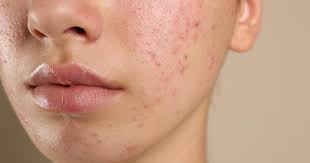
What Does Steroid-Induced Acne Look Like?
Steroid-induced acne has some distinct features. It often looks different from regular acne.
Appearance: The breakouts are usually red and inflamed. Many small bumps appear at the same time. These bumps look similar to each other.
Location: This acne often appears on the chest, back, and shoulders. The face can also be affected. However, the upper body is more common.
Timing: Breakouts typically start within a few weeks of beginning steroid treatment. The acne can appear suddenly and spread quickly.
Severity: Steroid-induced acne can be quite severe. It may include many inflamed papules and pustules. Nodules and cysts can also develop.
Who Gets Steroid-Induced Acne?
Anyone taking corticosteroid medications can develop this condition. However, some people are more at risk.
People on high doses of steroids are more likely to get acne. Higher doses cause stronger side effects.
Long-term steroid users also face higher risk. The longer you take these medications, the more likely you are to develop acne.
Teenagers and young adults are more susceptible. Their skin already produces more oil naturally.
People with a history of acne may experience worse breakouts. Their skin is already prone to clogged pores.
Steroid-Induced Acne vs. Regular Acne
These two types of acne have some differences.
Regular acne develops gradually over time. It includes blackheads, whiteheads, and occasional inflamed pimples. Hormones, bacteria, and clogged pores cause it.
Steroid-induced acne appears suddenly. It often looks uniform, with many similar bumps. The lesions are usually more inflamed. Blackheads and whiteheads are less common.
A dermatologist can tell the difference. They will ask about your medication history. This helps them make an accurate diagnosis.
How to Treat Steroid-Induced Acne Safely
Treatment depends on whether you can stop the steroid medication. Never stop taking prescribed steroids without your doctor’s approval.
If You Can Stop the Steroid
The best treatment is stopping the steroid. Once you stop the medication, the acne usually clears up. This can take several weeks or months. The acne will gradually fade as your body returns to normal.
Your doctor may switch you to a different medication. Some steroids cause fewer skin side effects than others.
If You Cannot Stop the Steroid
Sometimes people need to continue steroid treatment. In this case, you need to manage the acne while staying on the medication.
Topical treatments can help. Your dermatologist may prescribe topical antibiotics like clindamycin. These reduce bacteria on your skin. Topical retinoids like tretinoin help unclog pores. They also normalize skin cell turnover. Benzoyl peroxide is another option. It kills acne-causing bacteria and dries excess oil.
Oral medications are sometimes necessary. Oral antibiotics can reduce inflammation and bacteria. Isotretinoin is a powerful option for severe cases. However, doctors use it cautiously with steroid users.
Proper skincare is essential. Use a gentle, non-comedogenic cleanser twice daily. Avoid harsh scrubs and alcohol-based products. These irritate already inflamed skin. Apply an oil-free, non-comedogenic moisturizer. This protects your skin barrier. Always use sunscreen with SPF 30 or higher. Steroid-treated skin is more sensitive to the sun.
What to Avoid During Treatment
Some treatments can make steroid-induced acne worse.
Avoid harsh physical scrubs. These irritate inflamed skin and spread bacteria.
Avoid popping pimples. This leads to scarring and more inflammation.
Avoid heavy makeup. Oil-based or comedogenic products clog pores further.
Avoid over-washing. Washing more than twice daily strips your skin. This causes more oil production.
How Long Does It Take to Clear?
The timeline depends on several factors.
If you stop steroids: Acne usually clears within a few weeks to a few months. Your skin needs time to return to normal oil production.
If you continue steroids: Acne may persist as long as you take the medication. However, proper treatment can keep it under control.
With topical treatments: You may see improvement in 4 to 8 weeks. Full results take longer.
Be patient with your skin. Steroid-induced acne is temporary. With the right treatment, it will improve.
Preventing Steroid-Induced Acne
Prevention is not always possible. You may need steroids for a medical condition. However, some strategies can reduce your risk.
Use the lowest effective dose. Your doctor can help find the minimum dose that works for your condition.
Keep treatment duration short. Longer courses increase the risk of acne. Use steroids only as long as necessary.
Start a gentle skincare routine early. Cleanse twice daily with a non-comedogenic cleanser. This keeps pores clear before acne starts.
Avoid topical steroids on your face. Do not use steroid creams on your face unless prescribed. These can cause perioral dermatitis and acne.
When to See a Doctor
Consult a dermatologist if you experience steroid-induced acne.
See a doctor immediately if the acne is severe or painful. Seek help if over-the-counter treatments do not work. Also consult a professional if the acne leaves scars or dark marks.
A dermatologist can prescribe stronger treatments. They can also coordinate with your other doctors. This ensures safe management of your underlying condition.
Home Care Tips
While medical treatment works, you can support your skin at home.
Use a gentle cleanser with salicylic acid or benzoyl peroxide. These ingredients help unclog pores.
Apply a light, oil-free moisturizer. This prevents dryness from acne treatments.
Use sulfur-based spot treatments. Sulfur reduces inflammation and absorbs excess oil.
Apply a cool compress. This soothes inflamed, painful breakouts.
Change your pillowcase frequently. This reduces bacteria transfer to your skin.
The Emotional Impact
Steroid-induced acne can be distressing. The breakouts appear suddenly. They can be severe and widespread. Many people feel embarrassed or frustrated.
Remember that this condition is not your fault. It is a side effect of necessary medication. The acne is temporary. With proper treatment, your skin will improve.
Talk to your doctor if acne affects your mental health. They can offer support and adjust your treatment plan.
Conclusion
Steroid-induced acne is a common side effect of corticosteroid medications. It occurs when steroids increase oil production and inflame hair follicles. The acne appears suddenly on the chest, back, and face.
Treatment depends on whether you can stop the steroids. If you can stop, the acne usually clears on its own. If you must continue, topical and oral medications can help. A gentle skincare routine is essential.
Never stop prescribed steroids without consulting your doctor. Your underlying medical condition comes first. However, you do not have to suffer through severe acne. Help is available.
Shaheen Cosmetics offers gentle, non-comedogenic products for acne-prone skin. Our cleansers and moisturizers support your skin without causing further irritation. Visit our website to learn more.
FAQs
Q: Can bodybuilders get steroid-induced acne?
A: Yes. Anabolic steroids used for bodybuilding can also cause severe acne. This type often appears on the chest, back, and shoulders.
Q: How is steroid-induced acne different from regular acne?
A: Steroid-induced acne appears suddenly. The bumps look uniform and very inflamed. Regular acne develops gradually and includes blackheads and whiteheads.
Q: Can topical steroids cause acne?
A: Yes. Applying steroid creams to your face can cause perioral dermatitis. This condition looks like acne around the mouth and nose.
Q: Will the acne come back after stopping steroids?
A: Once you stop steroids, the acne usually does not return. However, your skin may take time to return to normal oil production.
Q: Can I use retinol while on steroids?
A: Yes, but introduce it slowly. Start with a low concentration once or twice weekly. Use plenty of moisturizer to prevent irritation.