
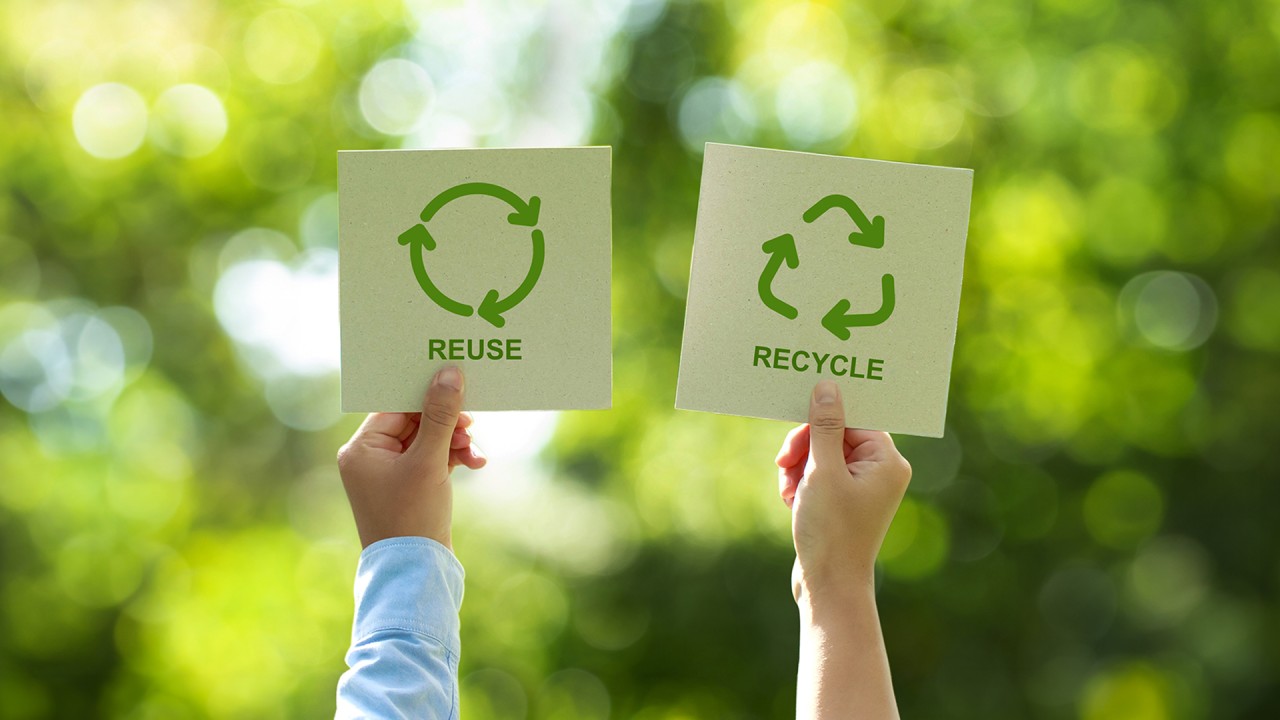
Introduction
You stand in the skincare aisle, holding two products. One comes in a sleek refillable container. The other promises 100% recyclable packaging. Which one do you choose?
This question confuses many eco-conscious consumers. Both options sound good. Both claim to help the planet. But which one actually makes a difference?
The answer is not as simple as you might think. Refillable and recyclable packaging both have benefits. They also have hidden drawbacks.
This guide will help you understand the difference. You will learn which option truly reduces waste. You will also discover how to make better choices for the planet.
The Problem with Beauty Packaging
The beauty industry produces over 120 billion units of packaging every year. Most of this packaging is plastic. Most of it ends up in landfills or the ocean.
Only 9% of all plastic ever produced has been recycled. The rest sits in landfills, burns in incinerators, or pollutes our environment.
This is a massive problem. But the solution is not simple. Refillable and recyclable packaging both try to solve this crisis. They do so in very different ways.
What Is Recyclable Packaging?
Recyclable packaging means the materials can be processed and turned into new products. Common recyclable materials include glass, aluminum, paper, and certain types of plastic.
When you finish a product, you clean the container. You place it in your recycling bin. A recycling facility processes it. The material becomes something new.
Common recyclable beauty packaging:
Glass bottles and jars. Aluminum tubes and tins. Paperboard boxes. PET plastic bottles (#1). HDPE plastic bottles (#2).
The Pros of Recyclable Packaging
Recyclable packaging uses existing waste management systems. You do not need to change your habits much. Just rinse and recycle.
Many materials recycle infinitely. Glass and aluminum can be recycled forever without losing quality. This makes them excellent choices.
Recyclable packaging is widely available. Most brands already use it. You do not need to search for special products.
It also requires no new infrastructure. Your local recycling program already exists. You simply participate.
The Cons of Recyclable Packaging
Most beauty packaging is not actually recycled. The numbers are discouraging. Only 9% of plastic ever made has been recycled. The rest is trash.
Small items often fall through recycling sorting machines. Lipstick tubes, mascara wands, and small caps frequently end up in landfills.
Mixed materials are nearly impossible to recycle. A bottle with a plastic pump, metal spring, and glass body cannot be separated easily.
Many areas lack recycling facilities. Even when you recycle correctly, your plastic might still go to the landfill.
Downcycling is another problem. Most plastic is not recycled into new bottles. It becomes lower quality products like plastic lumber. Eventually, even that ends up in the landfill.
What Is Refillable Packaging?
Refillable packaging is designed to be used multiple times. You buy the product once. You keep the outer container. When you finish the product, you buy a refill.
Refills come in minimal packaging. Sometimes just a paper pouch or a small cartridge. You pour the refill into your original container.
Common refillable beauty packaging:
Glass jars with refill pods. Metal compacts with refill pans. Pump bottles with refill cartridges. Solid products without any packaging.
The Pros of Refillable Packaging
Refillable systems drastically reduce waste. You use the same container for months or years. Only the refill gets discarded.
Many refills use much less packaging than original products. A paper pouch creates 90% less waste than a plastic bottle.
Refillable packaging encourages brand loyalty. You return to the same brand for refills. This helps companies invest in better sustainability practices.
High quality refillable containers last for years. Glass and metal are durable materials. They do not degrade with use.
Some brands offer refill delivery services. They send refills in compostable mailers. You return empty cartridges for reuse.
The Cons of Refillable Packaging
Refillable systems require new habits. You must remember to buy refills. You must clean your container between uses. Some people find this inconvenient.
Not all refillable systems are created equal. Some brands use plastic refill cartridges. These still create plastic waste. They just shift the problem elsewhere.
Refillable products often cost more upfront. The initial container is more expensive than a disposable one. You save money over time, but the first purchase hurts.
Shipping refills has an environmental cost. Online refill deliveries use fuel and create emissions. Local refill stations are better but not always available.
Some refillable containers are hard to clean. Moisture can get trapped. Bacteria can grow. This is especially risky for water-based products.
The Hidden Truth About Both Systems
Here is what many brands do not tell you.
Some “recyclable” products are never recycled. The materials are technically recyclable. But your local facility may not accept them. Or the materials may be too mixed to process.
Some “refillable” systems are worse for the environment. A heavy glass jar shipped across the world has a larger carbon footprint than a lightweight plastic bottle. The refill pouch may also be non-recyclable plastic.
Greenwashing is everywhere. Brands know consumers want eco-friendly options. So they use words like “recyclable” and “refillable” without delivering real change.
Which One Is Actually Better?
The honest answer depends on several factors.
Recyclable is better when:
The material is infinitely recyclable like glass or aluminum. Your local recycling facility accepts the material. You actually recycle the product correctly. The brand uses minimal packaging overall.
Refillable is better when:
The container is durable and designed to last. Refills use minimal or plastic-free packaging. You buy refills locally or in bulk. The brand offers a closed-loop system.
The best option overall is reducing consumption.
No packaging is the most sustainable packaging. Use what you already have. Buy only what you need. Choose solid products without packaging.
How to Make Better Choices as a Consumer
You do not need to be perfect. Small changes add up.
First, use what you already have. Finish your current products before buying new ones. Throwing away half-empty bottles creates waste.
Second, choose glass and aluminum when possible. These materials recycle infinitely. They also have higher recycling rates than plastic.
Third, look for brands with real refill systems. Avoid brands that use plastic refill cartridges. Seek out paper pouch refills or local bulk options.
Fourth, buy solid products. Cleansing bars, shampoo bars, and solid moisturizers need no packaging at all.
Fifth, support brands that take back packaging. Some companies accept empty containers for recycling or reuse. This ensures proper disposal.
Shaheen Cosmetics is committed to sustainable packaging. We use glass and aluminum wherever possible. We also offer products in solid forms. Our goal is to reduce waste without compromising quality.
The Future of Beauty Packaging
The industry is changing. More brands are adopting refillable systems. New materials like mushroom packaging and seaweed film are emerging. Consumers are demanding better options.
However, no single solution will fix the problem. We need a combination of approaches. Refillable for products we use often. Recyclable for materials that actually get recycled. Solid packaging-free products whenever possible.
Governments also need to act. Better recycling infrastructure. Standardized packaging requirements. Extended producer responsibility laws.
Brands need to take responsibility. They should design packaging that is truly recyclable or refillable. They should also fund recycling programs.
Consumers need to stay informed. Ask questions. Support brands that do the right thing. Avoid greenwashing.
Conclusion
Refillable and recyclable packaging both have a role to play. Neither is perfect. Neither solves the problem alone.
Recyclable packaging works when materials actually get recycled. Glass and aluminum are excellent choices. Plastic is problematic.
Refillable packaging works when systems are thoughtful. Paper pouches and local bulk options are best. Plastic cartridges are less helpful.
The most sustainable choice is to consume less. Use what you have. Choose solid products. Avoid unnecessary purchases.
Shaheen Cosmetics is here to help. We offer sustainable packaging options. We are constantly improving our practices. Together, we can create a cleaner, greener beauty industry.
FAQs
Q: Is glass always better than plastic?
A: Yes, glass is infinitely recyclable. It does not lose quality. Plastic degrades each time it is recycled.
Q: Can I recycle pumps and caps?
A: It depends. Remove them from the bottle. Check your local recycling rules. Some facilities accept them. Many do not.
Q: Are refillable products more expensive?
A: The upfront cost is higher. However, refills cost less than buying new products. You save money over time.
Q: What about biodegradable packaging?
A: Biodegradable packaging needs specific conditions to break down. Many facilities cannot process it. Industrial composting is required.
Q: How can I find truly sustainable beauty brands?
A: Look for third-party certifications. Research brand practices. Avoid vague claims like “eco-friendly” without evidence. Shaheen Cosmetics is transparent about our packaging and practices.