
Introduction
Skincare is full of conflicting advice. One person says pore strips are terrible. Another person swears by them. Some people insist you must exfoliate daily. Others say once a week is plenty.
These contradictions create confusion. Many skincare myths have been repeated so often that people accept them as truth. However, science tells a different story.
This article will debunk five of the most persistent skincare myths. You will learn what actually works and what you can safely ignore.
Let us begin.
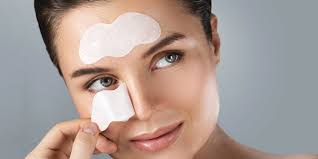
Myth 1: Pore Strips Are Evil
The Claim: Pore strips damage your skin. They stretch out your pores permanently. They also cause broken capillaries and long-term damage.
The Science: Pore strips are not evil. They are simply misunderstood.
Pores do not have muscles. They cannot open or close. What pore strips actually remove is the top layer of oxidized sebum (blackheads) and dead skin cells.
Temporary stretching can occur. However, your pores return to their normal size within a few hours. Permanent enlargement does not happen from occasional use.
The Verdict: Pore strips are fine for occasional use. Use them once every two to four weeks. Do not rely on them as your primary blackhead treatment. Salicylic acid works better for long-term prevention.
Myth 2: You Should Exfoliate Every Day
The Claim: Daily exfoliation keeps your skin smooth and glowing. The more you exfoliate, the better your skin looks.
The Science: Over-exfoliation damages your skin barrier. Your skin needs time to repair between exfoliation sessions.
Daily exfoliation strips away healthy skin cells. This leaves your skin red, irritated, and more prone to breakouts. A compromised barrier cannot hold moisture or fight bacteria effectively.
The Verdict: Exfoliate two to three times per week. Choose chemical exfoliants (AHAs or BHAs) over harsh physical scrubs. Listen to your skin. If it feels tight or burns, exfoliate less often.
Myth 3: Natural Ingredients Are Always Safe
The Claim: If an ingredient comes from nature, it is automatically safe for your skin. Chemical ingredients are dangerous.
The Science: Natural does not mean safe. Poison ivy is natural. Arsenic is natural. Both can kill you.
Many natural ingredients cause allergic reactions. Essential oils like lavender, tea tree, and peppermint are common irritants. Lemon juice has a very low pH. It can burn your skin, especially when exposed to sunlight.
Conversely, many synthetic ingredients are extremely safe. Hyaluronic acid and glycerin are often lab-produced. They are identical to what your body naturally produces.
The Verdict: Focus on the ingredient itself, not its origin. Good ingredients are good whether natural or synthetic. Bad ingredients are bad regardless of their source.
Myth 4: Oily Skin Does Not Need Moisturizer
The Claim: Your skin produces enough oil already. Adding moisturizer will make it worse. It will clog your pores and cause more breakouts.
The Science: Skipping moisturizer makes oily skin worse. Here is why.
When you strip your skin of moisture, it compensates by producing even more oil. This creates a vicious cycle. Your skin feels dry, so you wash it more. Washing triggers more oil production. The result is shinier, more congested skin.
A lightweight, oil-free, non-comedogenic moisturizer actually helps regulate oil production. It signals to your skin that it does not need to overcompensate.
The Verdict: Oily skin needs moisturizer. Choose a gel-based or water-based formula. Look for “non-comedogenic” on the label. Apply it every time after cleansing.
Myth 5: Sunscreen Is Only for Sunny Days
The Claim: You only need sunscreen at the beach or during summer. On cloudy days or when you stay indoors, you can skip it.
The Science: UV rays penetrate clouds. Up to 80 percent of UV rays pass through cloud cover. UVA rays also pass through windows. If you sit near a window at work or home, your skin is exposed.
Sun damage is cumulative. Every minute of exposure adds up over your lifetime. Wrinkles, dark spots, and skin cancer risk all increase with exposure.
The Verdict: Wear sunscreen every single day. SPF 30 or higher. Even on cloudy days. Even when you stay indoors. Make it the final step of your morning routine.
Why These Myths Refuse to Die
Skincare myths persist for several reasons.
Confirmation bias plays a role. People remember stories that confirm what they already believe. They forget evidence that contradicts their views.
Social media amplification spreads misinformation quickly. A dramatic claim gets more views than a balanced, scientific explanation.
Outdated information lingers. What scientists knew ten years ago has changed. However, old advice continues circulating online.
Marketing also contributes. Brands benefit from making you afraid. Fear sells products.
How to Spot Skincare Myths
Use these questions to evaluate skincare claims.
Does the claim sound extreme? Words like “never,” “always,” “evil,” or “miracle” are red flags. Real science is rarely absolute.
Is there credible research? Look for studies published in peer-reviewed journals. Be wary of claims supported only by anecdotal evidence.
Who benefits? If a brand makes a scary claim and then sells a solution, be skeptical. Fear-based marketing is powerful but often misleading.
Does it pass the common sense test? If a claim seems too dramatic, it probably is. Skincare is about consistency, not extremes.
What Actually Works
Instead of following myths, focus on evidence-based practices.
Gentle cleansing twice daily removes impurities without stripping your barrier.
Chemical exfoliation two to three times weekly smooths texture and unclogs pores.
Daily moisturizer keeps your skin barrier strong and balanced.
SPF 30 or higher every morning protects against UV damage.
Patience is essential. Most products take four to twelve weeks to show visible results.
Shaheen Cosmetics offers products formulated with evidence-based ingredients. No fear-mongering. No extreme claims. Just effective, gentle skincare.
Conclusion
Pore strips are not evil. Exfoliating daily is too much. Natural ingredients are not automatically safe. Oily skin needs moisturizer. Sunscreen is for every day.
These five myths have persisted for too long. Science provides clear answers. Now you have them.
Share this article with anyone who still believes pore strips will ruin their skin. Knowledge is the best skincare product of all.
FAQs
Q: How often can I use pore strips?
A: Once every two to four weeks is fine. Do not rely on them as your primary treatment for blackheads.
Q: What is the best exfoliation frequency?
A: Two to three times per week. Choose chemical exfoliants over harsh physical scrubs.
Q: Are all natural ingredients bad?
A: No. Many natural ingredients are wonderful. However, natural does not automatically mean safe. Research each ingredient individually.
Q: What moisturizer is best for oily skin?
A: Look for gel-based or water-based formulas labeled “non-comedogenic.” These will not clog your pores.
Q: Do I really need sunscreen every day?
A: Yes. UV rays penetrate clouds and windows. Daily sunscreen is the most important anti-aging step you can take.